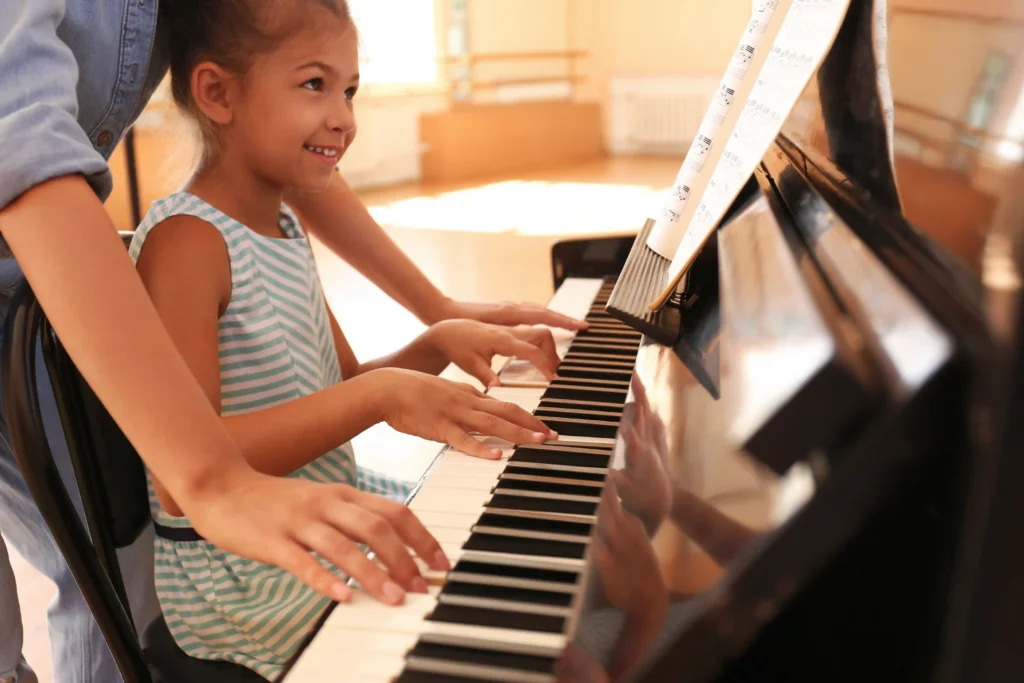
Parents often ask us, "When should my child start piano lessons?" whilst adults wonder if they've missed their chance to learn. At Groove Music School, we welcome students from age 4 through to seniors, and there's solid research behind why this inclusive approach works so well for learning piano.
When to Start Piano: The Statistics Reveal the Truth
Research provides clear guidance on the best age to start piano lessons. Studies show that starting before age 7 produces better motor skill performance in adulthood compared to later starters.
However, the other research also proves that starting piano lessons later still yields remarkable benefits. Adults beginning to learn piano show measurable brain changes within 45-90 minutes of training, whilst seniors maintain excellent learning capacity. The verdict: younger offers advantages, but any age delivers meaningful results when learning to play the piano.
What Is the Best Age to Start Piano Lessons?
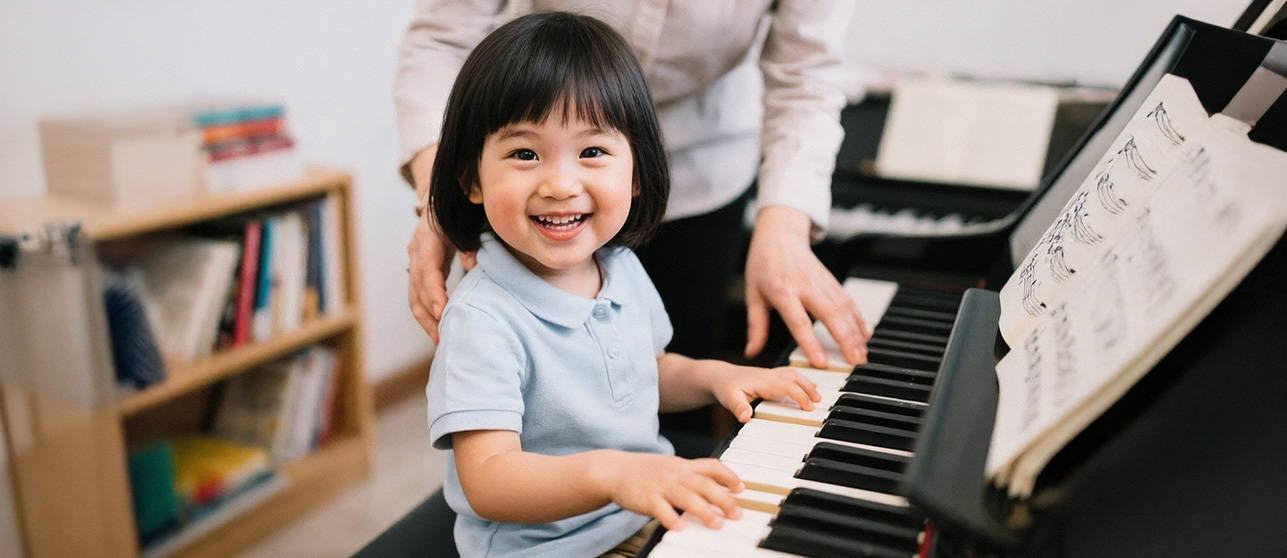
Research indicates that the ages of 4 to 7 are optimal for achieving maximum developmental benefits. At this young age, children's brains exhibit peak neuroplasticity, allowing them to absorb musical concepts naturally. Research demonstrates that musical abilities in Grade 1 predicted 46% of academic performance variance by Grade 7, highlighting the profound impact of early piano lessons.
Children starting piano at a young age develop superior fine motor skills and hand-eye coordination. The intricate finger movements required to play the piano enhance manual dexterity far beyond what's achieved through other childhood activities. However, this doesn't mean older children or adults can't achieve excellent results when they start learning piano.
Many parents worry about hand size, but modern piano teaching methods accommodate small hands effectively. What matters most is whether your child is ready to start and shows a genuine interest in learning music.
Signs Your Child Is Ready for Piano Lessons
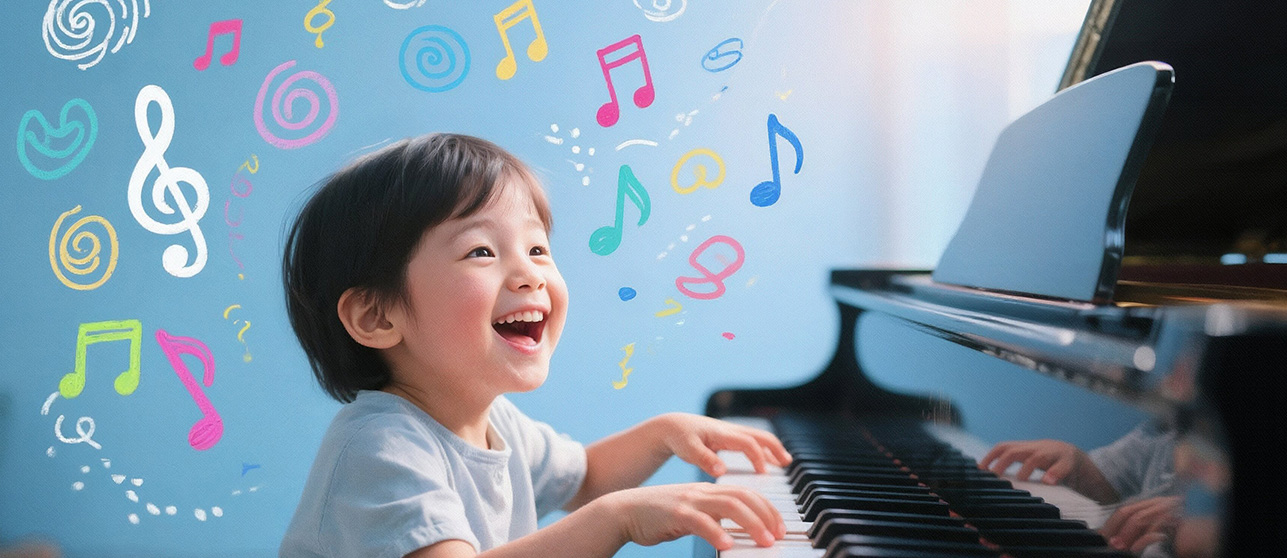
Determining when your child is ready to start piano lessons involves observing several key indicators. If your child can sit still for 10 to 15 minutes, follow simple instructions, and show curiosity about music, they are ready to begin their musical journey. Most children between the ages of 4 and 6 possess the necessary cognitive abilities to start piano lessons successfully.
Look for these signs that your child is ready: they show interest in pressing piano keys, can count to at least ten, and demonstrate basic finger independence. Your child should be able to distinguish between different sounds and show enthusiasm when they hear piano music. These indicators suggest your child is ready to start learning piano with proper guidance.
At Groove Music School, we understand that every child develops at their own pace. Our experienced teachers assess readiness during trial lessons, ensuring your child receives age appropriate instruction that builds both skill and self confidence from the very first lesson.
Adult Piano Students: It's Never Too Late to Learn
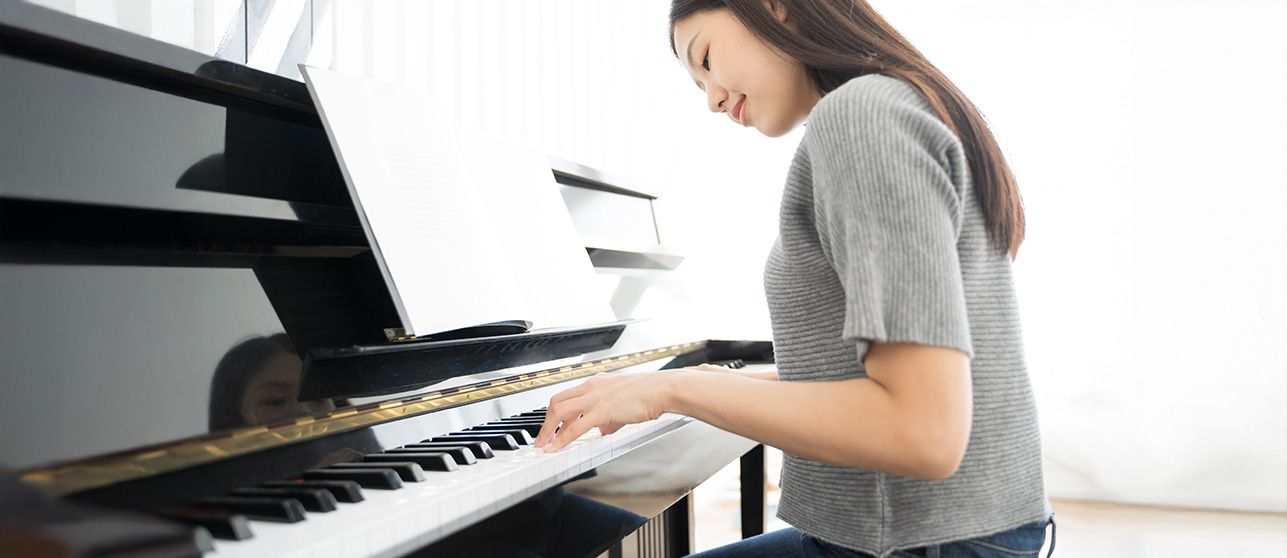
Many adults wonder, "Is it too late to start piano lessons?" The answer is absolutely not. Adult piano students often excel because they bring focused attention, clear goals, and life experience to their learning. Adults achieve 90% information retention with active practice methods, making them highly effective when learning to play piano.
Adults starting piano lessons benefit from enhanced cognitive function and stress relief. Learning to play the piano engages multiple brain regions simultaneously, creating new neural pathways that support overall mental health. Many adult students report that piano lessons improve their self confidence and provide a fulfilling creative outlet.
The key to success for adults learning piano lies in realistic expectations and consistent practice. Adult piano students should focus on enjoying the process rather than comparing themselves to childhood learners. At Groove Music School, our piano lessons are designed for busy lifestyles, with flexible scheduling and practical song choices.
Senior Piano Students: Remarkable Learning Capacity
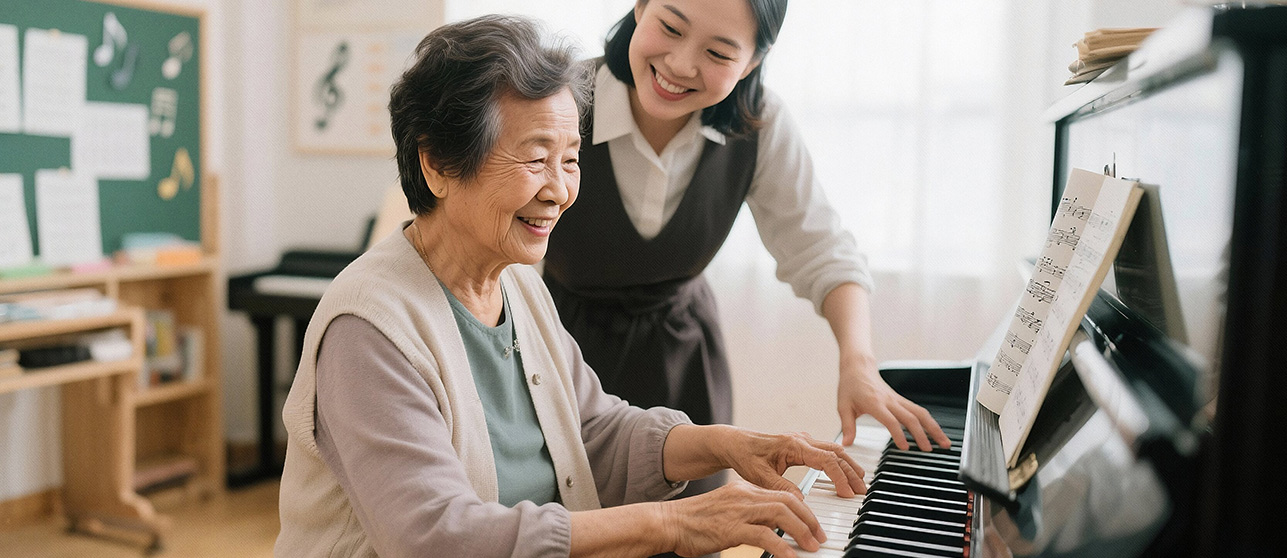
Piano lessons for seniors provide extraordinary cognitive and physical benefits. Research involving 156 older adults showed that seniors achieved meaningful musical skills within months of starting piano lessons. Learning piano helps maintain cognitive sharpness whilst providing social engagement opportunities.
Senior students often surpass expectations, proving it's never too late to learn piano. The combination of reading music, coordinating both hands, and active listening creates an ideal cognitive workout. Many seniors find that piano lessons improve their overall quality of life and provide a sense of personal accomplishment.
Hand-eye coordination improvements in senior piano students extend to daily activities beyond music. The precise finger movements required for playing piano help maintain dexterity and can even provide gentle exercise for those with arthritis.
The Comprehensive Benefits of Learning Piano
Playing the piano provides benefits that extend throughout life. Young children develop enhanced language processing, mathematical reasoning, and attention skills through piano lessons. The pattern recognition involved in reading music strengthens the same neural pathways used for academic learning.
Teenagers who continue piano lessons often show improved focus and study habits. Adults discover stress relief and cognitive stimulation, whilst seniors maintain mental sharpness and social connections. Studies show piano training improves executive function across all age groups, with benefits persisting long after lessons end.
The discipline required for regular practice creates positive habits that benefit many areas of life. Piano students develop time management skills, attention to detail, and persistence that serve them well in academic and professional pursuits.
Why Groove Music School Works for Every Age
Our inclusive philosophy recognises that musical joy knows no age boundaries. Young students benefit from our nurturing environment where patient teachers understand developmental needs. Adult learners appreciate our practical approach that fits busy schedules. Seniors thrive in our welcoming atmosphere that celebrates every achievement.
We focus on understanding musical concepts rather than just memorising exercises, helping students develop a strong foundation in music theory, technique, and ear training. Our holistic approach means we're not just teaching notes but supporting emotional, mental, and physical well-being through music education.
The personalised lessons we offer are tailored to each student's individual needs and learning style. Whether you're seeking cognitive benefits, creative expression, or simply personal enjoyment, our qualified teachers create customised learning plans that help you progress at your own pace.
Ready to Start Your Piano Journey?
The research confirms what we see daily at Groove Music School: piano lessons provide measurable benefits at every life stage. While ages 4 to 7 offer maximum developmental advantages, it's truly never too late to start learning piano. Your age simply determines your unique pathway to musical achievement.
unique pathway to musical achievement.
We've witnessed four year olds discovering their first melodies and seventy year olds mastering pieces they've always loved. Both journeys bring equal joy and accomplishment. The best time to start piano lessons is when you're motivated to learn, whether you're seeking lessons for kids or considering adult piano lessons.
Ready to discover what piano music can bring to your life? Book a trial lesson today and experience our personalised teaching approach. Take the first step towards your musical aspirations with teachers who understand that every student, at every age, deserves to experience the joy of making music.