Learning music can be fulfilling and rewarding at any age, even for those with no prior musical experience. Exploring musical instruments opens up a world of creativity and self-expression whilst offering benefits like stress relief, improved cognitive function, and social connections for adult learners. This comprehensive guide covers four beginner-friendly instruments and provides tips to help you choose the right one.
Piano - The Perfect Musical Foundation
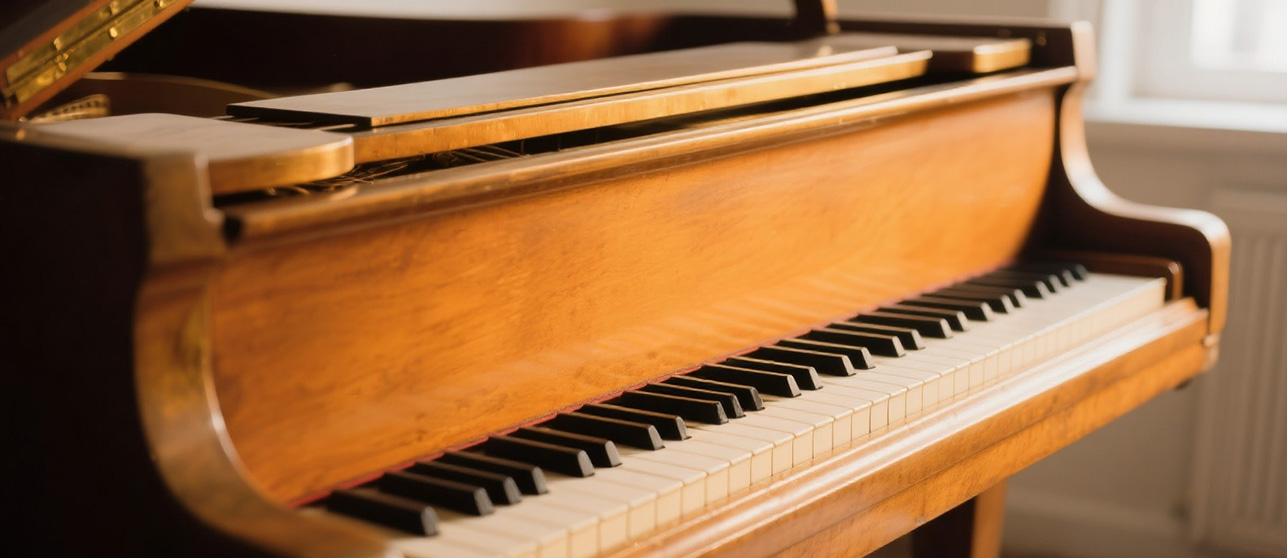
The piano is often recommended as an ideal first instrument for beginners due to its intuitive layout and comprehensive musical range. A versatile keyboard instrument capable of playing both melody and harmony, used in genres from classical to pop.
Getting started: No prior musical knowledge required - the gentle learning curve makes it easy for beginners to start making music. Begin with simple tunes on a basic keyboard or digital piano at home. Digital pianos offer volume control and headphone options, making practice convenient in any living space.
Best suited for: All ages (4+), those wanting a strong musical foundation, classical music lovers.
Why Piano Is Good for Beginners
Visual learning advantage: The piano's straightforward design makes it easy to understand music theory fundamentals by seeing the pattern of notes. Immediate satisfaction comes from instant sound production by pressing keys - no complex technique or tuning needed to get started.
Builds coordination: Engages both hands independently, enhancing motor skills and brain engagement over time. With some practice, learners can play simple songs quickly. Highly versatile across musical styles, allowing beginners to explore different genres on one instrument.
Guitar - Maximum Versatility and Social Appeal

The guitar is a six-string fretted instrument, extremely popular amongst beginners and found in a wide range of genres including pop, rock, folk, blues, and country. A versatile and accessible instrument, making it one of the most popular choices for beginners worldwide. Can be learnt on an acoustic guitar or electric guitar, depending on musical taste.
Getting started: Relatively affordable to start - basic chords enable you to play dozens of songs. Portable and perfect for sing-alongs or jamming with friends.
Best suited for: Ages 6+, contemporary music enthusiasts, aspiring songwriters, social players.
Why Guitar Is Good for Beginners
Quick gratification: Simple open chords can be learnt with minimal practice, allowing beginners to strum recognisable tunes early on. Beginners can get substantial practice and enjoyment from the guitar, making it a rewarding choice. Vast learning resources, including online tutorials, song tabs, and classes, make self-study accessible and fun.
Builds dexterity: Strengthens finger coordination, with beginner-friendly methods like starting with thinner strings to ease initial discomfort. Those with a natural sense of rhythm or finger coordination may find guitar especially approachable. Suitable for solo performance or accompanying singing, fitting into most music genres from mellow acoustic ballads to upbeat rock anthems.
Ukulele - The Fastest Path to Musical Joy
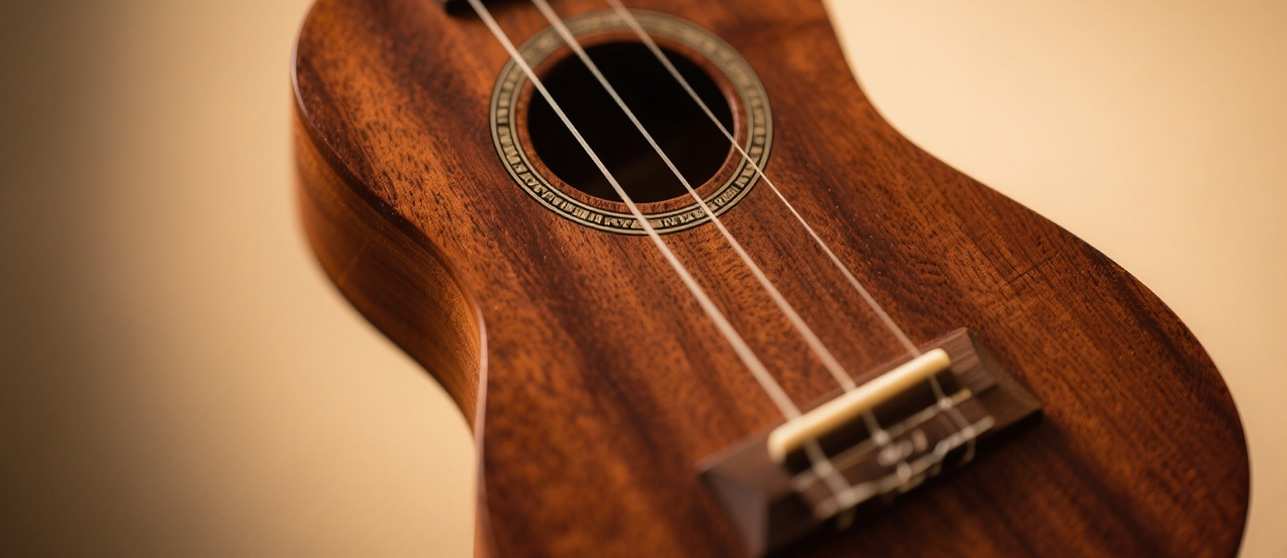
The ukulele is an excellent choice for children and beginners, often recommended as one of the easiest instruments to learn. A small four-string instrument originating from Hawaii that resembles a miniature guitar. Lightweight and compact size makes it comfortable to hold and easy to carry for practice on the go.
Getting started: Uses soft nylon strings which are gentle on fingers, reducing discomfort for first-time players. Produces a warm, cheerful sound commonly used in acoustic pop, folk, and modern covers.
Best suited for: All ages (especially children 4-10), casual players, those wanting quick results.
Why Ukulele Is Good for Beginners
Simple to pick up: Only four strings and easy chord shapes mean you can play songs after just a few lessons. Learning ukulele provides an excellent foundation for musical education, helping develop fundamental skills whilst keeping learners motivated. Playing the ukulele also naturally develops ear training skills, improving your ability to recognise pitch and musical patterns.
Highly affordable: Good quality beginner ukuleles are inexpensive, lowering the barrier to trying music. Pleasant tone makes practice enjoyable and less intimidating than larger instruments. Very forgiving with soft strings and lower string tension making it easier to press notes and form chords.
Drums - Rhythm Mastery and Physical Engagement
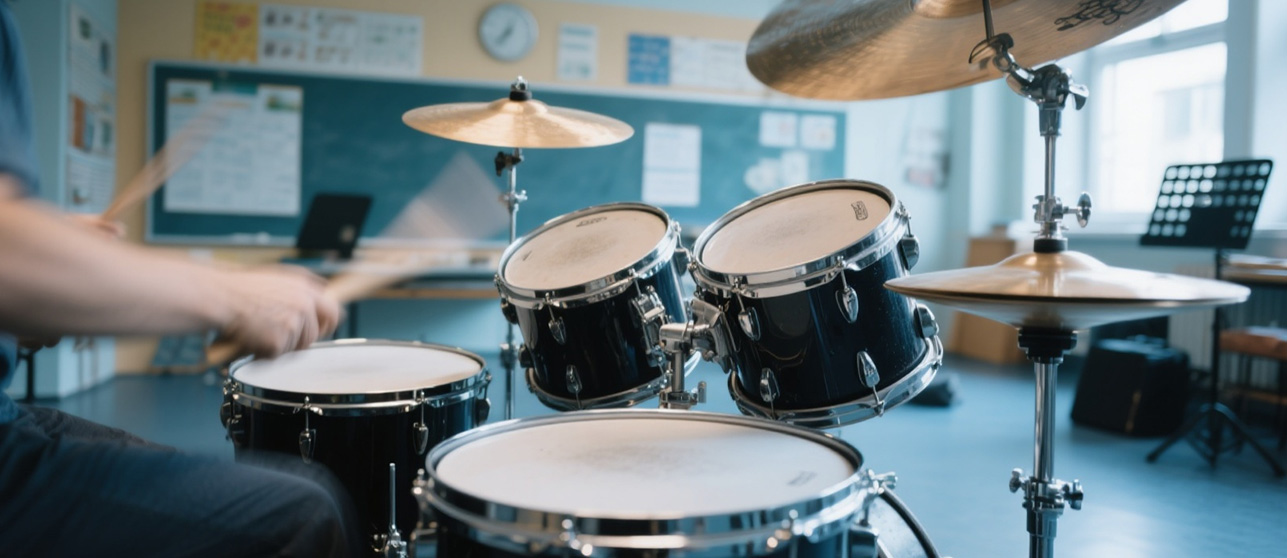
Drums are popular instruments for beginners due to their accessibility and engaging nature. Refers typically to a drum kit that provides the rhythmic backbone in many musical styles. Focuses on rhythm and timing rather than melody, making it accessible for beginners who want to dive straight into creating beats.
Getting started: Beginners can start with a simple setup like a practice pad or electronic drum set for quieter at-home practice. Very physical instrument involving movement of both arms and legs, making it an engaging full-body activity.
Best suited for: Ages 7+, energetic learners, those who learn through movement, future band members.
Why Drums Are Good for Beginners
Develops strong rhythm: Excellent for building a solid sense of timing, foundational skills that benefit any musical pursuit. Many musicians start their journey with drums because it is approachable and versatile. Beginners can quickly learn basic beats and rhythms, making it rewarding even at the earliest learning stages.
Less music theory required: You can join a band or jam session by keeping a steady beat without needing to read musical notation extensively. Provides energetic expression and can be a good workout, whilst drummers are sought after across genres.
Instrument Comparison at a Glance
|
Factor |
Piano |
Guitar |
Ukulele |
Drums |
Learning Difficulty |
⭐⭐ |
⭐⭐⭐ |
⭐ |
⭐⭐ |
|---|---|---|---|---|
|
Starting Cost |
$$$ |
$ |
$ |
$$ |
|
Portability |
❌ |
✅ |
✅ |
❌ |
|
HDB-Friendly Practice |
✅ |
✅ |
✅ |
❌ |
|
Solo Performance Ready |
✅ |
✅ |
✅ |
❌ |
|
Physical Demand |
Low |
Medium |
Low |
High |
|
Quick Results |
Moderate |
Slower |
Fastest |
Fast |
⭐ = Excellent, ⭐⭐ = Good, ⭐⭐⭐ = Moderate, $ = Under $200, $$ = $200-500, $$$ = $500+
Tips for Choosing the Right Instrument

There are many factors to consider when choosing the right instrument, including your interests, goals, and lifestyle.
-
Consider Your Favourite Music Genres
Think about the styles of music you enjoy listening to. If you love classical or jazz, piano might appeal, whilst rock or country enthusiasts might gravitate towards guitar or drums. For light acoustic music or island vibes, ukulele might shine.
-
Define Your Learning Goals
Reflect on what you want to achieve, whether that's personal enjoyment, accompanying yourself singing, or joining a band. A hopeful singer-songwriter might start with guitar or piano, whilst someone who loves rhythm might prefer drums. Those seeking quick results might find ukulele most rewarding.
-
Assess Physical Comfort
Take into account your physical attributes and comfort levels. If you have limited finger strength or smaller hands, ukulele's gentle strings might feel easier than a steel-string guitar initially. Ensure the instrument's size and weight feel manageable, and consider space requirements for practice.
-
Think About Your Lifestyle
Some instruments are louder or less portable than others, so consider your living situation and schedule. Electronic piano or drum kit with headphones can be practised quietly in apartments, whilst acoustic drum sets might be less feasible in shared spaces. Factor in how much time you can dedicate to regular practice.
-
Try Trial Classes
Attending a trial lesson before committing is very helpful for making the right choice. Hands-on experience lets you see which instrument feels most enjoyable and natural for you. Groove Music School offers trial classes for all instruments, providing personalised guidance from experienced instructors.
Embrace Your Musical Journey at Any Age

Learning a musical instrument is a rewarding journey that you can start at any age, so adult beginners should feel confident taking the first step. However, learning music at home in Singapore presents unique challenges. Noise concerns in HDB flats and condominiums can limit practice times, tropical humidity affects instrument maintenance, and without proper guidance, many beginners struggle with motivation and technique development. These obstacles often discourage learners before they experience music's true benefits.
Groove Music School makes all the difference. We provide a dedicated learning environment free from noise restrictions, professionally maintained instruments suited to Singapore's climate, and experienced instructors who understand local musical preferences from Mandopop to contemporary hits. Our holistic teaching approach combines technical skill development with emotional and mental well-being, creating a supportive community where learners from ages 4 to seniors can thrive.
Ready to discover which instrument speaks to you? Book a trial lesson and experience firsthand the joy of making music in Singapore's most nurturing musical environment.